
ELECTRIC WIRE
Lead Engineer
Technical Team
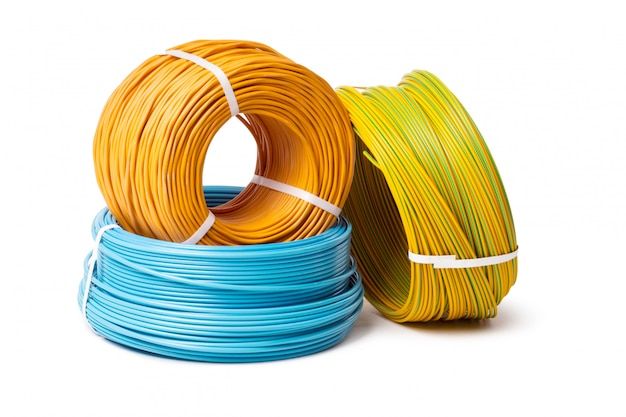
Understanding Electric Wire
Electric wires are fundamental components of electrical systems, designed to carry and transmit electrical current safely and efficiently across residential, commercial, industrial, and infrastructure applications. They form the backbone of every electrical installation, ensuring stable power delivery from the source to various electrical loads while maintaining safety and reliability.
These wires are manufactured using high-conductivity materials such as pure copper or aluminum, combined with advanced insulation layers made from PVC, XLPE, or other high-grade compounds. This construction ensures excellent electrical conductivity, strong thermal resistance, mechanical durability, and long operational life even under continuous load conditions and varying environmental stresses.
Electric wires are widely used in household wiring, commercial buildings, industrial machinery, control panels, and large-scale power distribution systems. They play a crucial role in efficient energy transfer, reducing transmission losses, and ensuring safe and stable electrical connectivity for all connected devices and equipment across different applications.
Modern electric wires are engineered with advanced safety features including flame-retardant insulation, anti-rodent protection, moisture resistance, and high-temperature tolerance. These enhancements help prevent common electrical hazards such as short circuits, overheating, leakage currents, and fire risks, making them highly reliable for both standard and critical electrical installations.
What is Electric Wire?
Definition
Electric wire is a conductive material used for carrying electrical current from one point to another.
Formula
P = V × I
Ideal Value
Efficient current flow
Acceptable Range
Stable electrical performance
Common Electrical Wiring Issues
Poor quality wiring can lead to electrical hazards and equipment failure.
Problems Without Quality Electric Wire
Using low-quality wires can impact electrical safety and performance.
Working Principle
Electric wires conduct electrical current through copper or aluminum conductors.
Main Components of Electric Wire
Copper Conductor
Carries electrical current efficiently
Insulation
Protects against electrical leakage
Outer Coating
Provides mechanical protection
Flame Retardant Layer
Enhances fire safety
Types of Electric Wires
Before APFC
After APFC
Savings Achieved
Reduced energy losses and maintenance costs
Benefits of Electric Wire
Applications
Maintenance Tips
Conclusion
Electric wires ensure safe and efficient electrical connectivity, making them essential for reliable power distribution in every sector.