How Roof Top Solar Systems Help Reduce Electricity Bills and Promote Clean Energy
Lead Engineer
Technical Team
Understanding Roof Top Solar Energy Systems
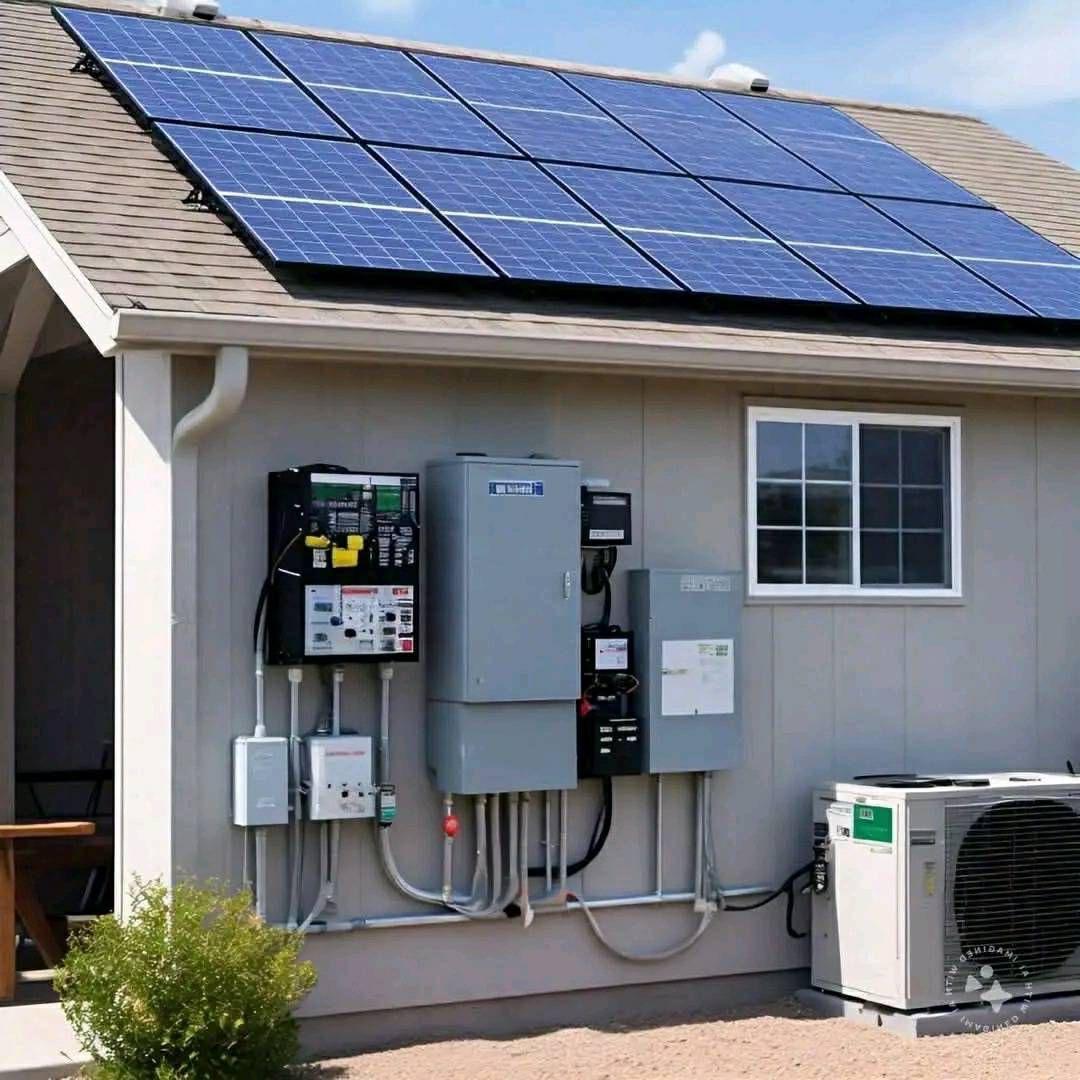
A Roof Top Solar System is an advanced renewable energy solution that converts sunlight into usable electrical energy using photovoltaic (PV) modules installed on building rooftops. These systems are designed to generate clean electricity directly at the point of consumption, reducing dependence on conventional grid power and significantly lowering long-term electricity costs for residential, commercial, and industrial users.
The growing adoption of rooftop solar systems is driven by rising energy prices, increasing environmental awareness, and government incentives promoting renewable energy. These systems are widely implemented across homes, offices, factories, hospitals, educational institutions, and commercial complexes to achieve energy independence and long-term cost savings.
By harnessing solar energy, rooftop solar systems play a major role in reducing greenhouse gas emissions and minimizing carbon footprints. They contribute to environmental sustainability by decreasing reliance on fossil fuel-based power generation while supporting global clean energy goals and green infrastructure development.
Modern rooftop solar systems are engineered with high-efficiency solar panels, smart inverters, advanced MPPT charge controllers, and real-time monitoring systems. These technologies ensure optimal energy conversion, improved performance even in low-light or cloudy conditions, and maximum system reliability for continuous power generation.
Benefits of Roof Top Solar Systems
Applications of Roof Top Solar Systems
Maintenance & Care Tips
Conclusion
Roof Top Solar Systems are one of the most effective solutions for reducing electricity costs and promoting clean energy. With long-term savings, low maintenance, and environmental benefits, solar energy is the future of power generation.