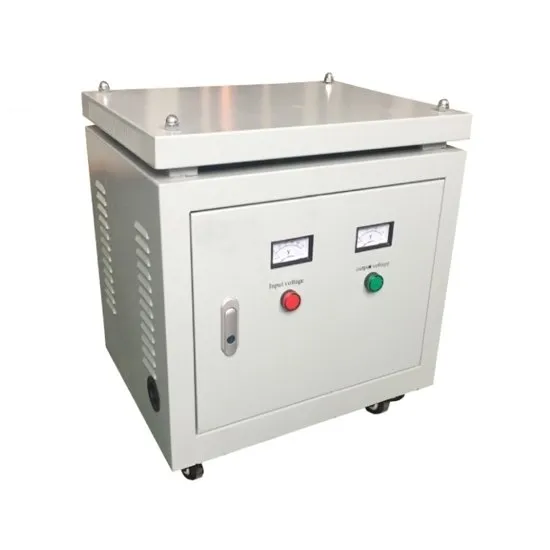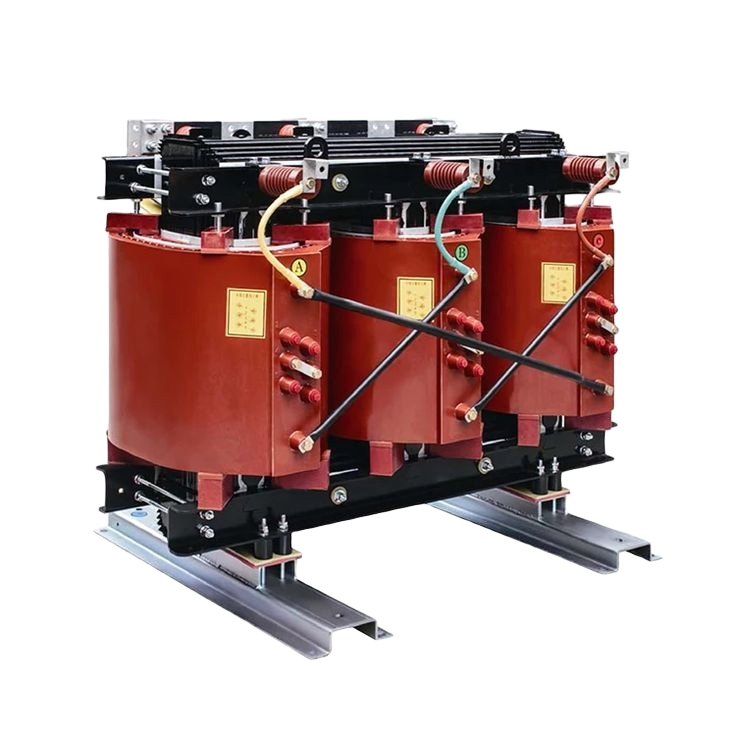
Distribution Transformer
Lead Engineer
Technical Team
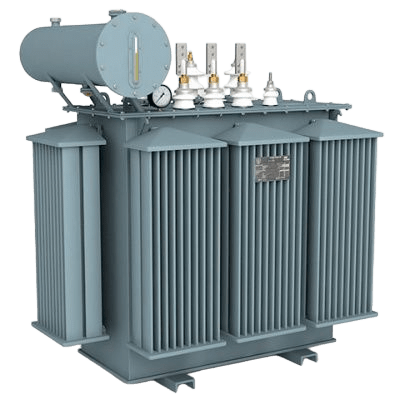
Understanding Distribution Transformers
Distribution transformers are a critical part of electrical power distribution systems, designed to step down high transmission voltages (HT) to lower utilization voltages (LT) that are safe and suitable for end-user consumption. They play a vital role in ensuring that electrical energy generated at power stations is efficiently delivered to industrial, commercial, and residential consumers with minimal losses and maximum reliability.
These transformers act as the final voltage conversion stage in the power distribution network, ensuring stable and consistent electricity supply across various load conditions. They are widely used in electrical substations, industrial plants, housing complexes, and commercial infrastructure to maintain proper voltage levels and support safe operation of electrical equipment.
Proper selection and sizing of distribution transformers are essential for reducing technical losses, improving voltage regulation, and enhancing overall system efficiency. An incorrectly rated transformer can lead to overheating, energy wastage, poor power quality, and reduced equipment lifespan, making engineering accuracy crucial during system design and installation.
Modern distribution transformers are designed with advanced core materials, low-loss winding technology, and high-efficiency cooling systems to ensure long operational life, improved energy efficiency, and reliable performance under varying load conditions. These improvements contribute significantly to reducing energy costs and supporting sustainable power distribution systems.
What is a Distribution Transformer?
Definition
A distribution transformer is a device that reduces high transmission voltage to usable low voltage levels.
Formula
V1 / V2 = N1 / N2
Ideal Value
High efficiency operation
Acceptable Range
Low losses and stable output
Common Issues in Power Distribution
These issues can increase losses and reduce system efficiency.
Problems Without Proper Transformer
Using low-quality or improperly selected transformers can cause serious issues.
Working Principle
Distribution transformers operate on electromagnetic induction, transferring energy between windings.
Main Components of Distribution Transformer
Core
Provides magnetic path
Windings
Transfer electrical energy
Oil Tank
Cooling and insulation
Bushings
Electrical connections
Cooling System
Heat dissipation
Types of Distribution Transformers
Before APFC
After APFC
Savings Achieved
Reduced losses and improved reliability
Benefits of Distribution Transformers
Applications
Maintenance Tips
Conclusion
Distribution transformers are critical for efficient power distribution, ensuring stable voltage and reliable electricity supply.