Step-Down Transformer
Lead Engineer
Technical Team
Understanding Step-Down Transformers
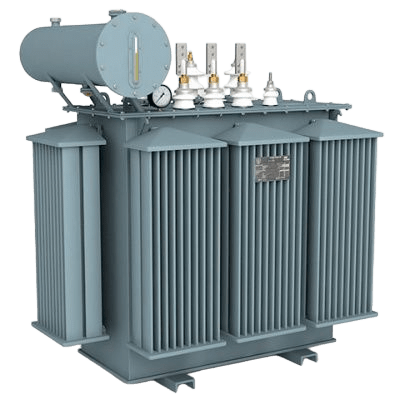
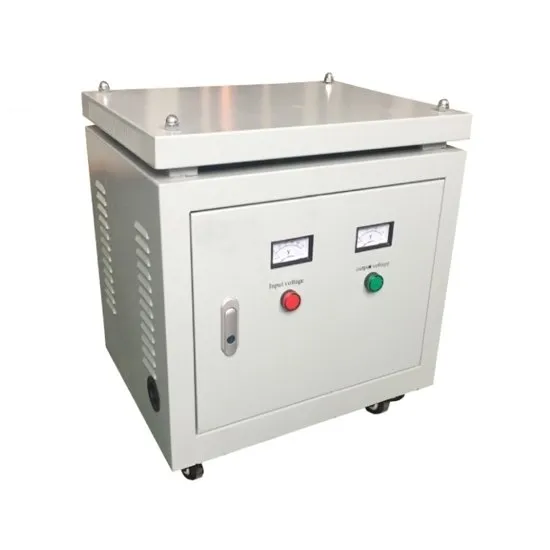
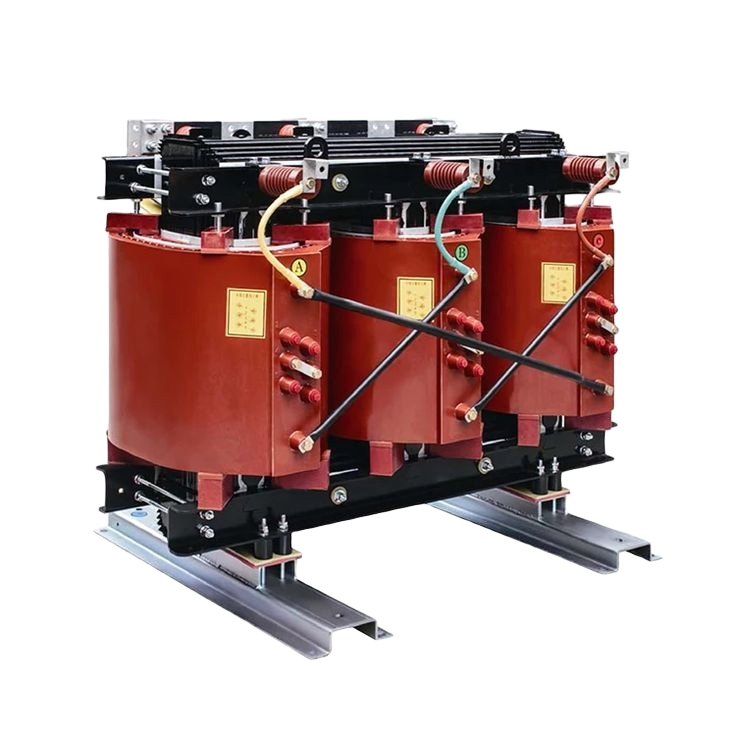
Step-down transformers are fundamental electrical devices designed to reduce high input voltage to a lower and safer output voltage suitable for end-use applications. They operate on the principle of electromagnetic induction and are widely used in power distribution systems to ensure that electrical energy can be safely utilized by residential, commercial, and industrial equipment.
These transformers are essential components in electrical networks where high transmission voltages need to be converted into usable low-voltage levels. They are commonly installed in substations, industrial plants, commercial buildings, and residential distribution systems to ensure safe and efficient power delivery to end users.
Step-down transformers play a vital role in improving electrical safety and system efficiency by minimizing the risk of overvoltage damage, reducing insulation stress on equipment, and ensuring smooth operation of electrical appliances and machinery. They also contribute to reducing transmission-related energy losses by enabling controlled voltage regulation at the distribution level.
Modern step-down transformers are designed with high-quality core materials, advanced winding techniques, and efficient cooling systems to ensure reliable performance, low energy losses, and long operational life. They are a critical part of power infrastructure, enabling stable and controlled voltage supply across diverse applications.
What is a Step-Down Transformer?
Definition
A step-down transformer is a device that reduces the voltage from the primary winding to a lower voltage in the secondary winding.
Formula
V1 / V2 = N1 / N2
Ideal Value
Stable and reduced output voltage
Acceptable Range
Safe voltage for equipment operation
Common Electrical Issues Without Proper Voltage Control
Improper voltage levels can severely impact system performance and safety.
Problems Without Step-Down Transformer
Without proper voltage reduction, electrical systems may experience serious operational issues.
Working Principle
Step-down transformers operate on the principle of electromagnetic induction to reduce voltage levels.
Main Components of Step-Down Transformer
Core
Transfers magnetic flux efficiently
Primary Winding
Receives high voltage input
Secondary Winding
Delivers reduced voltage output
Insulation
Prevents electrical leakage
Cooling System
Prevents overheating
Types of Step-Down Transformers
Before APFC
After APFC
Savings Achieved
Improved efficiency and longer equipment life
Benefits of Step-Down Transformers
Applications
Maintenance Tips
Conclusion
Step-down transformers are vital for safe and efficient voltage conversion in electrical systems. They protect equipment, enhance performance, and ensure reliable power distribution across various applications.