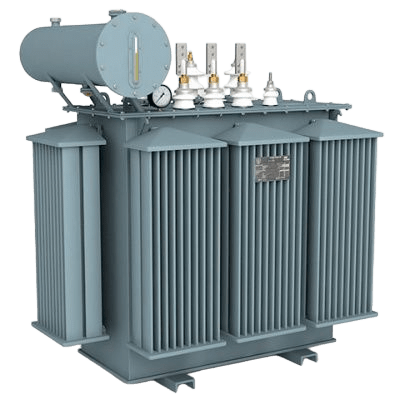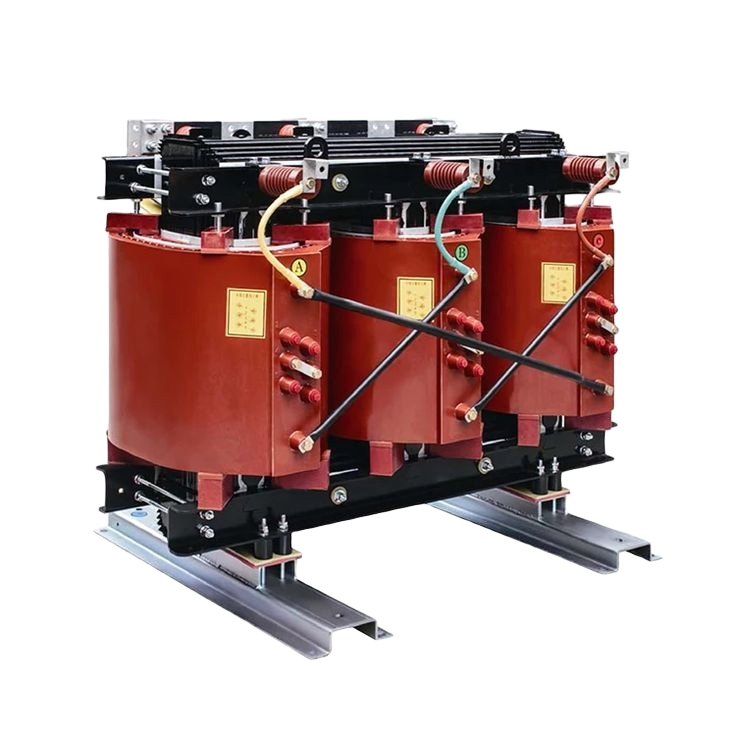
Isolation Transformer
Lead Engineer
Technical Team
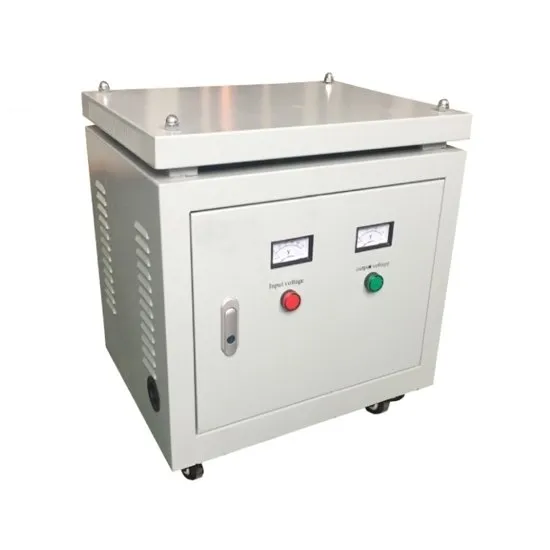
Understanding Isolation Transformers
Isolation transformers are specialized electrical devices designed to transfer electrical power between two circuits while providing galvanic isolation between the primary (input) and secondary (output) windings. This isolation enhances safety by preventing direct electrical connection between the power source and sensitive equipment, thereby reducing the risk of electric shock and equipment damage.
One of the key functions of isolation transformers is to eliminate electrical noise, voltage spikes, and harmonics from the power supply. These disturbances are common in industrial environments and can severely affect the performance and lifespan of sensitive electronic and control equipment such as medical devices, CNC machines, laboratory instruments, and communication systems.
Isolation transformers are widely used in industrial automation, healthcare facilities, IT infrastructure, and precision manufacturing environments where clean and stable power is critical. They also help in breaking ground loops, which can cause interference, data errors, and unstable system behavior in electronic circuits.
By providing clean, stable, and isolated power, isolation transformers ensure improved system reliability, enhanced equipment safety, reduced maintenance issues, and long-term operational stability. They are an essential component in modern electrical systems where power quality and protection are high priorities.
What is an Isolation Transformer?
Definition
An isolation transformer is a device that transfers electrical power between two circuits while keeping them electrically isolated.
Formula
V1 / V2 = N1 / N2
Ideal Value
Noise-free and stable voltage
Acceptable Range
Safe and isolated power supply
Common Electrical Problems
These issues can damage equipment and reduce performance.
Problems Without Isolation Transformer
Without proper isolation, electrical systems can face serious risks.
Working Principle
Isolation transformers work on electromagnetic induction while keeping input and output circuits separated.
Main Components of Isolation Transformer
Core
Magnetic energy transfer
Primary Winding
Receives input power
Secondary Winding
Delivers isolated output
Insulation
Electrical separation
Enclosure
Protection and safety
Types of Isolation Transformers
Before APFC
After APFC
Savings Achieved
Reduced downtime and increased equipment life
Benefits of Isolation Transformers
Applications
Maintenance Tips
Conclusion
Isolation transformers are essential for protecting sensitive equipment, ensuring safety, and delivering clean and stable power in modern electrical systems.